BY: Katie Griffith
Why is Mentorship Important in Climbing?
Have you ever been told to just “go find a mentor” to teach you how to climb? We know we have. For decades, climbing know-how has been passed down through informal, long-term relationships. Mentors are typically – though not always – older, more experienced climbers that feel an affinity with their greener counterparts and are invested in their growth.
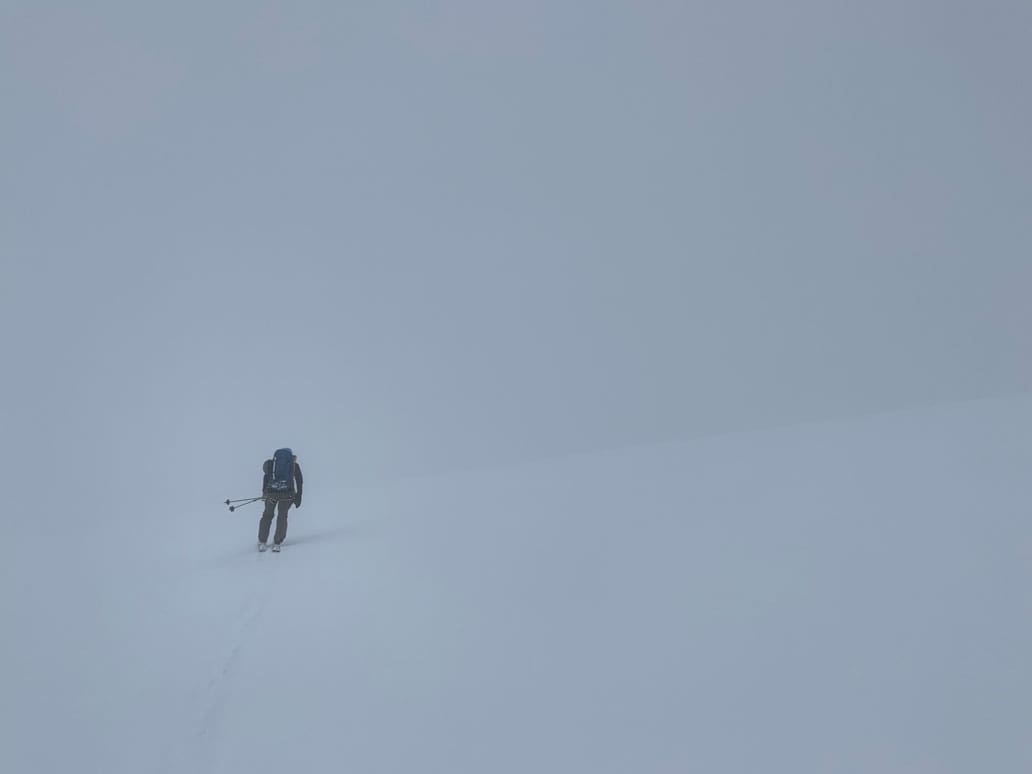
Though we sometimes try to make it happen, it’s impossible to learn everything about climbing during a single course. Conditions in the mountains are constantly changing; you may have bluebird weather one day, then have to bust out your white-out navigation tools the next. Techniques also vary widely depending on terrain – sometimes a strong belay means sitting down and wrapping the rope around your waist, while in other contexts this method could have catastrophic consequences.
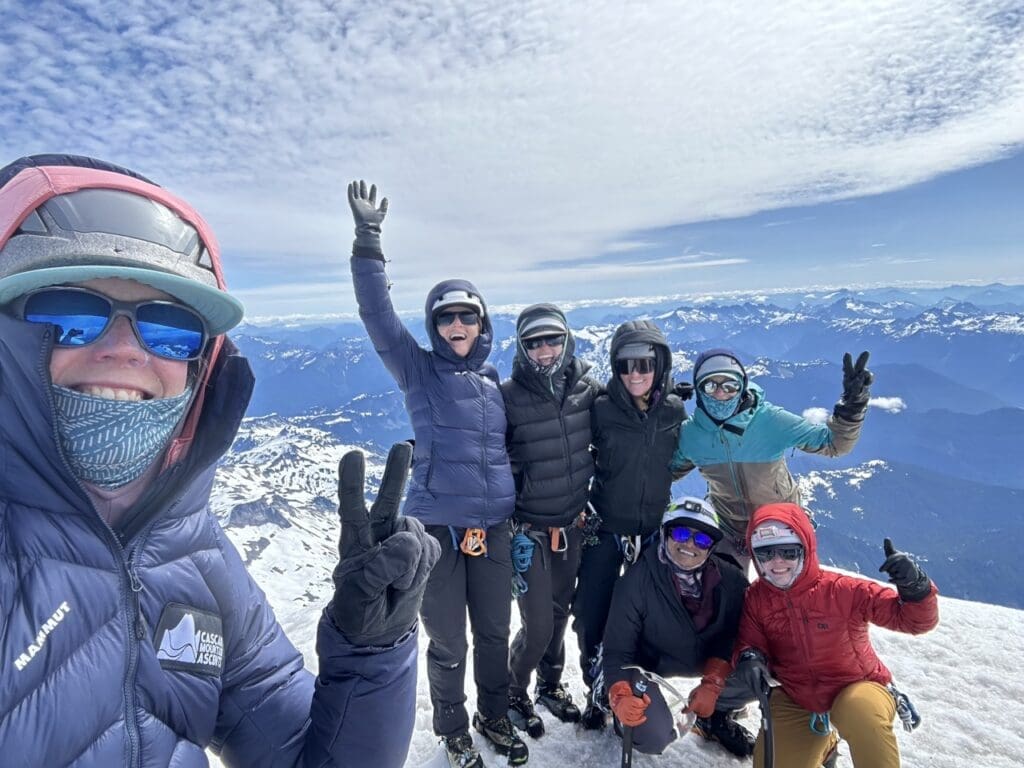
There’s no way to learn these skills except by getting out there, and consistent mentorship over time is an amazing way for newer climbers to gain experience out in the hills. A good mentor can help you gain competence and take the lead with personal coaching and feedback. A great mentor will also pass on an ethic of stewarding the lands where we recreate – an effort so critical that the Access Fund is working to formalize it.
The Mentorship Gap
This all works great if you can pin down a wizened alpinist to be your “mentor.” The reality is, there are way more people getting into mountain sports than there are mentors available. Another problem is that humans typically gravitate toward those who are similar to them, a common tendency called “affinity bias.” In a sport that has historically been dominated by cis, white, straight, able-bodied men, this tendency can leave aspiring climbers who don’t hold those identities out in the cold.
IFMGA guide and longtime advocate for women in climbing Sheldon Kerr described her struggle to find mentors in a 2018 Powder Magazine article. “Think of how many dudes had older dude mentors and how strange that might be for a girl. I don’t see myself having the same kind of informal learning opportunities,” she said. While we see mentorship as generally positive, the affinity bias that often drives these types of relationships can perpetuate historic inequities in our sports.
Women’s Mountain Mentorship
So what does all of this mean for CMA programs? For one, we’re committed to offering women’s affinity programs run by female guides. We’re building relationships with folks of diverse identities so we can collaborate on mentorship initiatives for communities who hold identities that aren’t represented by our guide team.
AND we piloted a season-long Women’s Mountain Mentorship Program last summer and are offering it again summer 2026! This program reflects all of the things we love about mentorship in climbing. The small group format emphasizes long-term, relationship-based learning. We’ll have consistent instructors throughout the summer, so we’ll be able to meet you where you’re at and help you work toward your goals.
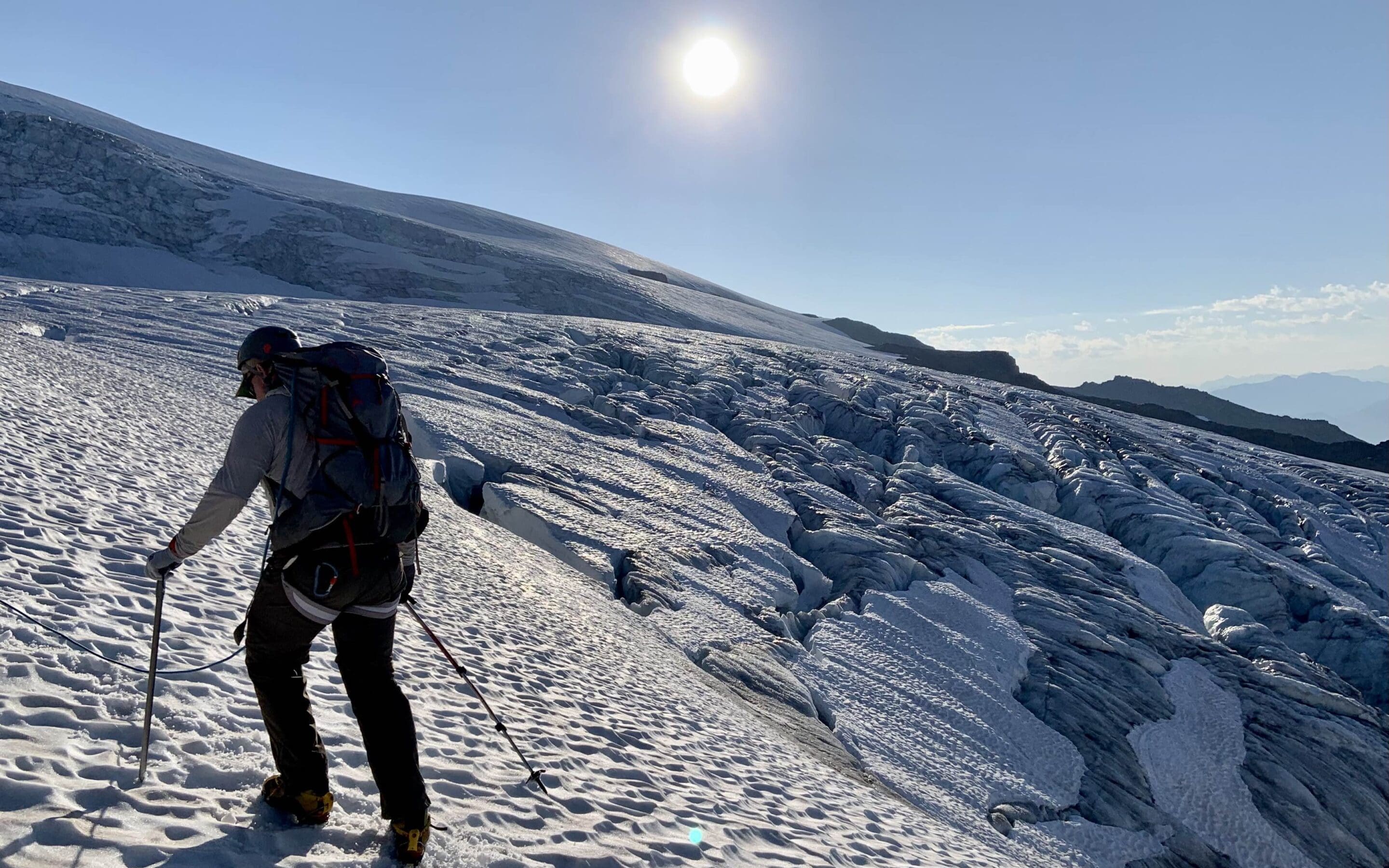
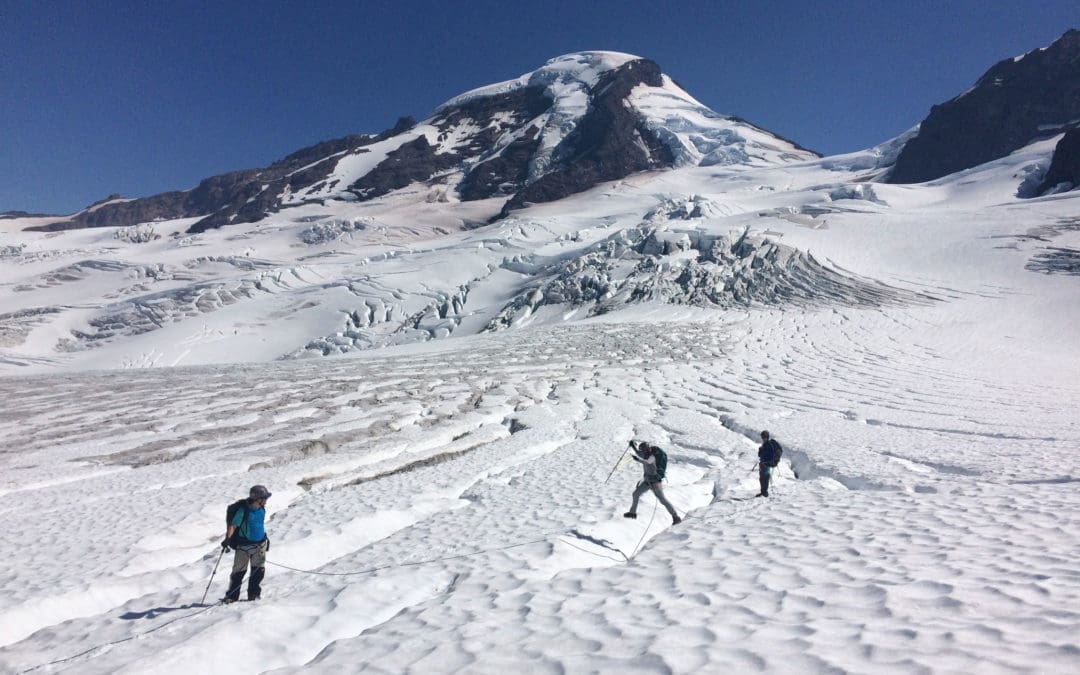
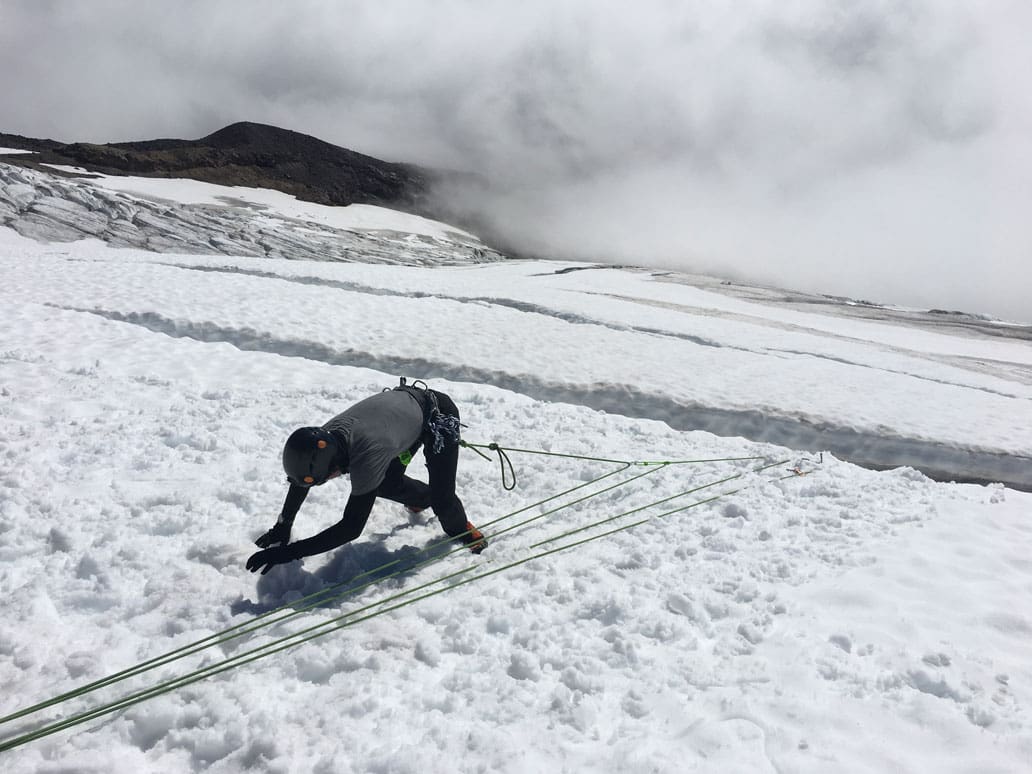
Throughout the season, we’ll introduce new skills, you’ll get to practice them, and then we’ll apply them while moving through the mountains. We’ll climb two different alpine routes during different summer months, so you’ll have opportunities to see how our decision-making responds to changing snow and glacier conditions. You’ll also receive individual coaching while navigating through varied terrain, which we think is one of the most underrated climbing skills.
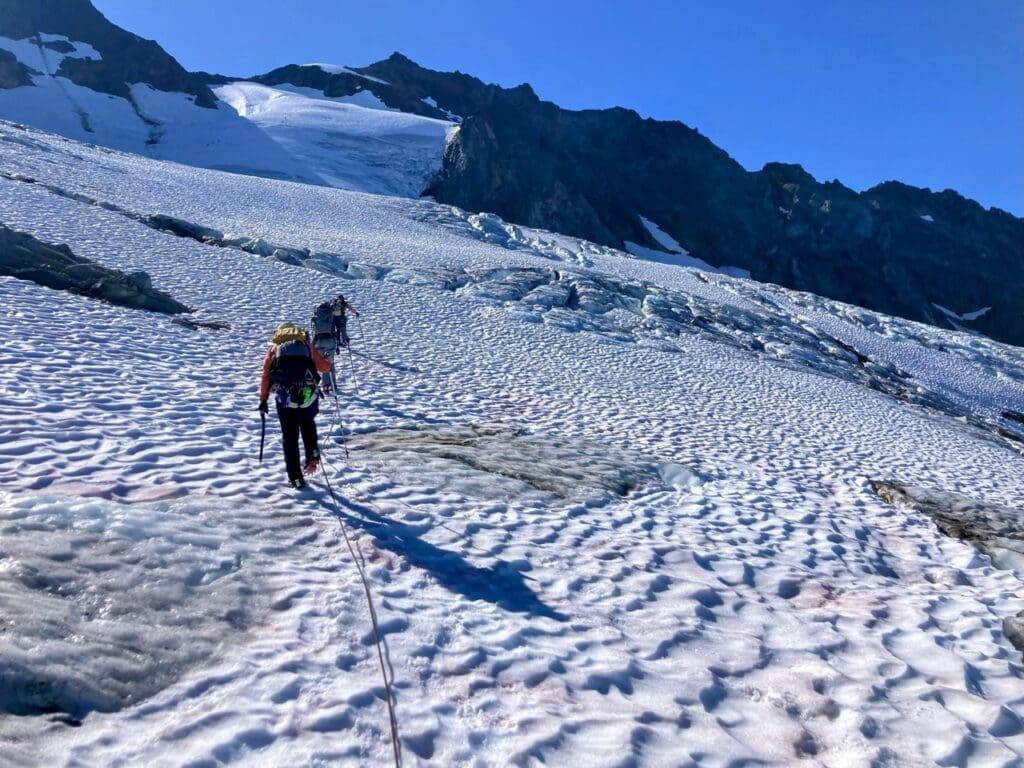
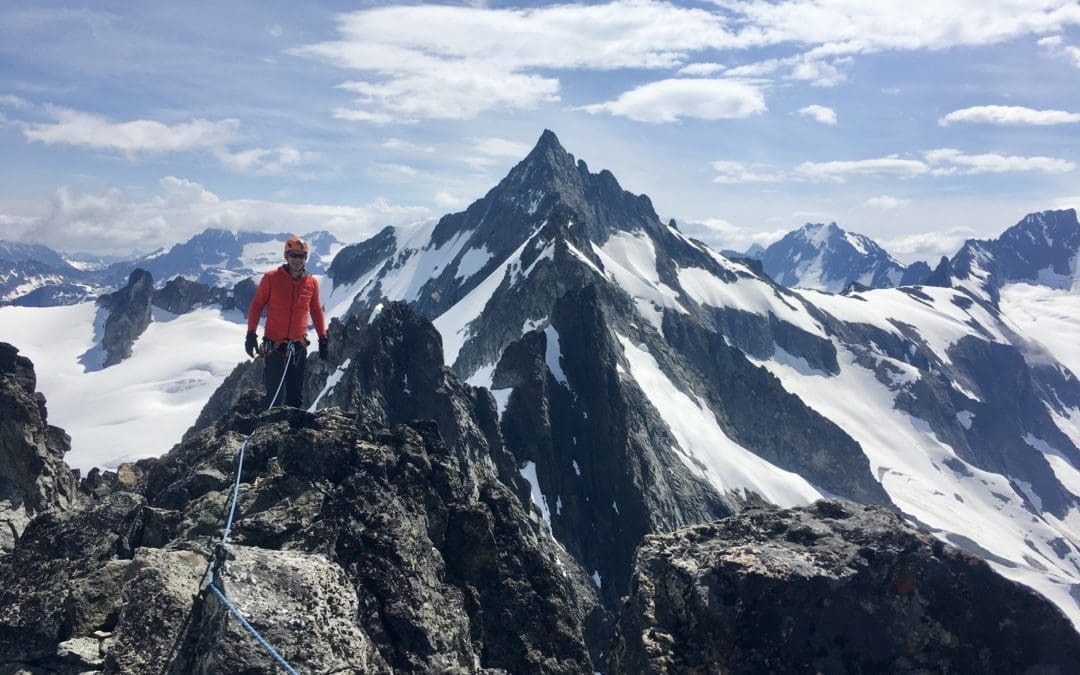
Whether you’re a hiker who wants to summit Mount Rainier or a climber who wants to climb Forbidden Peak, a lot of the fundamental alpine tools are the same. We’ll practice a variety of technical skills, but we believe the real value is using them out in the wild. Through season-long mentorship in a variety of terrain, you’ll start to understand what methods to use and why, so you can confidently explore the mountains on your own.
Space for Collaboration and Difference
Affinity spaces like this one can offer positive learning environments for folks who have felt like “outsiders” in mainstream educational spaces. They can also be complicated. Members of the same affinity space may hold multiple identities; this can cause tension but can also create opportunities for connection and growth. To us, women’s affinity spaces don’t just mean one thing. Each space will reflect the individual members that make it up.
In this essay on the Patagonia blog, Madeline Sorkin and Lor Sabourin beautifully describe their non-linear and sometimes uncomfortable climbing partnership as two queer climbers who align and diverge on various aspects of their identities. As the older and more experienced climber, Sorkin expected to have a relatively straightforward mentor-mentee dynamic with Sabourin. As it turned out, their relationship pushed them both in unexpected ways. “Simply being with you brought me to edges of myself that were difficult to encounter but longing to be known,” said Sorkin.
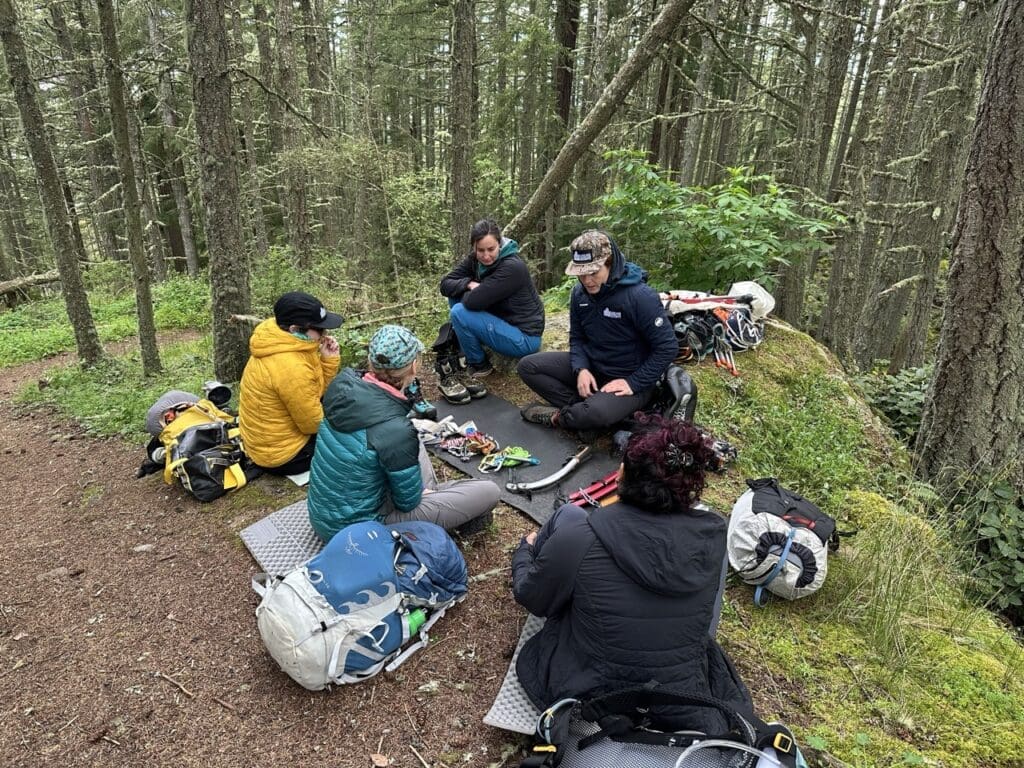
We hope to hold space for diversity within our affinity spaces and acknowledge the messiness of building relationships across differences. We know that mentorship isn’t always linear; our goal is to create a collaborative community, so mentees and mentors can learn from one another. Each participant will come with their own life experience and background to offer, and we can’t wait to see how the season unfolds.
Other Mountain Mentorship Programs We Love
While building this program, we’ve been inspired by so many awesome mentorship-based programs that are already out there for women, LGBTQ folks, and Black, Indigenous, and other people of color. We’d love to share resources and insights as new mentorship initiatives are built, and we recommend you check out these programs too!
Our friends at Alpine Ascents International are committed to supporting climbers of color in their journey to become professional mountain guides. Through this season-long program, aspiring guides have access to training, mentorship, and opportunities to shadow guided trips with Alpine Ascents.
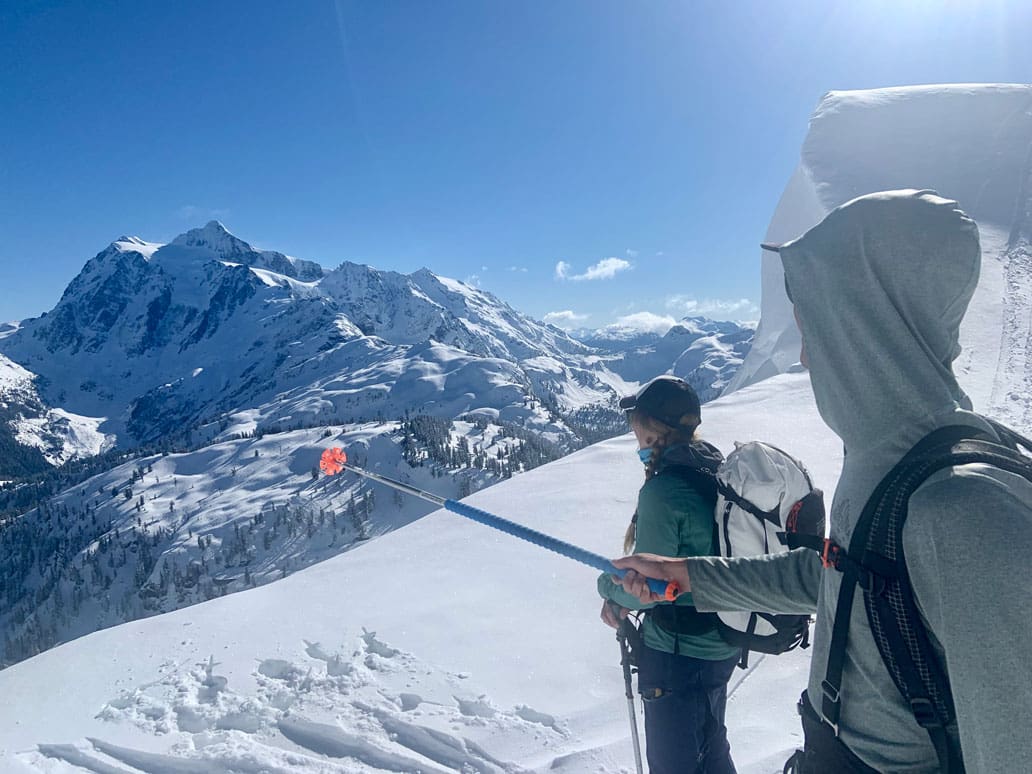
Julie-Ann Holder at Grounding Truth Holistic Guiding has created this thoughtful, winter-long avalanche mentorship program that runs in our beloved Mount Baker backcountry. In small groups, skiers and riders learn to track the weather, assess avalanche hazard, create tour plans, and get out for a bunch of tours together throughout the season.
We’re stoked that AIARE is making an effort to create more space for women, nonbinary, and genderqueer folks in the historically male-dominated world of avalanche mitigation and education. This program connects aspiring snow and avalanche professionals with mentors and support as they pursue professional development.